Hip Fracture in Older Adults: How Dangerous Is It?
- Chonnikan M.
- 5 ม.ค.
- ยาว 5 นาที

Hip fracture is a common condition among older adults and is considered a serious accident that can greatly impact daily life. A single fall may prevent an elderly person from walking as before and often requires a long period of recovery. In this article, Pattaya Nursing Home will guide you through a comprehensive understanding of hip fractures in older adults—from causes and symptoms to treatment, rehabilitation, and prevention—so that older adults and their families can manage this condition appropriately and with confidence.
Which Part of the Body Is the Hip Bone?
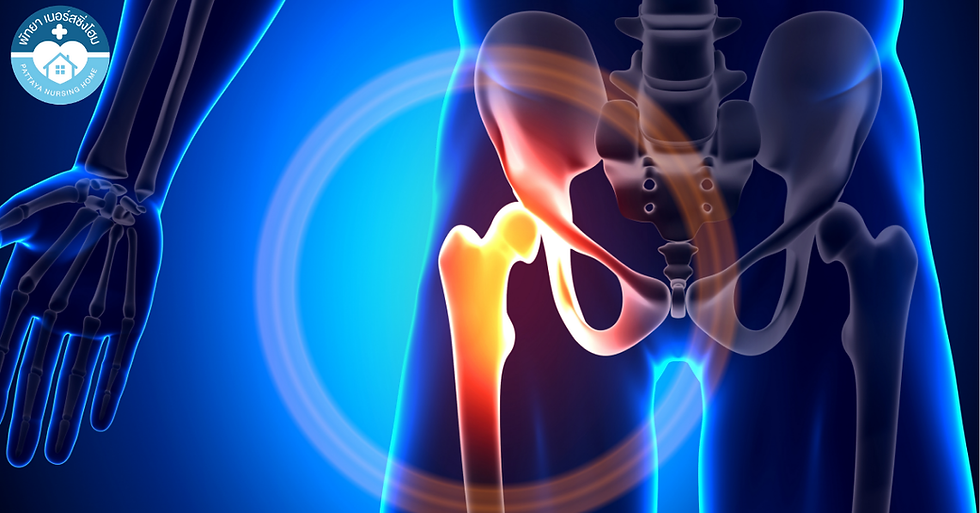
The hip bone is part of the joint that connects the thigh bone (femur) to the pelvic bone. It plays a vital role in supporting body weight and allowing stable movements such as standing, walking, and sitting. When a hip fracture occurs, movement of the lower body is severely affected—especially in older adults, whose bones tend to be more fragile than those of younger individuals.
Common sites of hip fractures in older adults include the femoral neck and the area around the hip joint, which are particularly vulnerable to fractures when impact occurs from a fall.
Causes of Hip Fractures in Older Adults

The main cause of hip fractures in older adults is often falls during daily activities, such as slipping in the bathroom, tripping over uneven surfaces, or losing balance while walking. In addition, several other factors increase the risk, including osteoporosis, muscle weakness, reduced vision, and certain underlying medical conditions.
Common Risk Factors
Osteoporosis, which causes bones to become fragile and more prone to fractures
Increasing age, affecting bone density and muscle strength
Neurological conditions, such as Parkinson’s disease or Alzheimer’s disease
Use of medications that may cause dizziness, lightheadedness, or impaired balance
Symptoms of a Hip Fracture: How to Recognize Them

When an older adult sustains a hip fracture, they often experience significant pain in the hip or groin area and are unable to stand or bear weight normally. The affected leg may appear shorter or abnormally rotated. In some cases, the pain may not be severe, but the individual is still unable to get up or walk—this is a serious warning sign that should not be ignored.
If an older adult falls and is unable to walk, or experiences severe hip pain, they should be taken to a doctor immediately for prompt diagnosis and treatment.
Treatment approaches for hip fractures in older adults depend on the location of the fracture, the patient’s overall health, and their ability to recover. Treatment options include both non-surgical management and surgical intervention.
1. Non-Surgical Treatment

This approach is suitable for certain older adults who are unable to undergo surgery or in cases where the fracture is not severe. Treatment focuses on rest, pain management, and close medical monitoring. However, non-surgical treatment may result in a slower recovery and carries a higher risk of complications. Therefore, proper and appropriate care is extremely important.
For families with an older loved one who has experienced a hip fracture, correct care and rehabilitation can help the patient recover faster and return as close as possible to normal daily life. If you are unsure about providing proper care or following the appropriate rehabilitation steps, you are welcome to consult us at Pattaya Nursing Home – Pattaya Elderly Care and Rehabilitation Center.
Our center provides care for dependent patients through a multidisciplinary team with specialized expertise and experience in elderly care. We are committed to ensuring safe, appropriate care and improving quality of life for older adults.📞 088-992-5156 (Jomtien Branch)📞 061-879-6464 (Chaiyaphruek Branch)
For more information or to contact us through other channels, click here.
2. Surgical Treatment
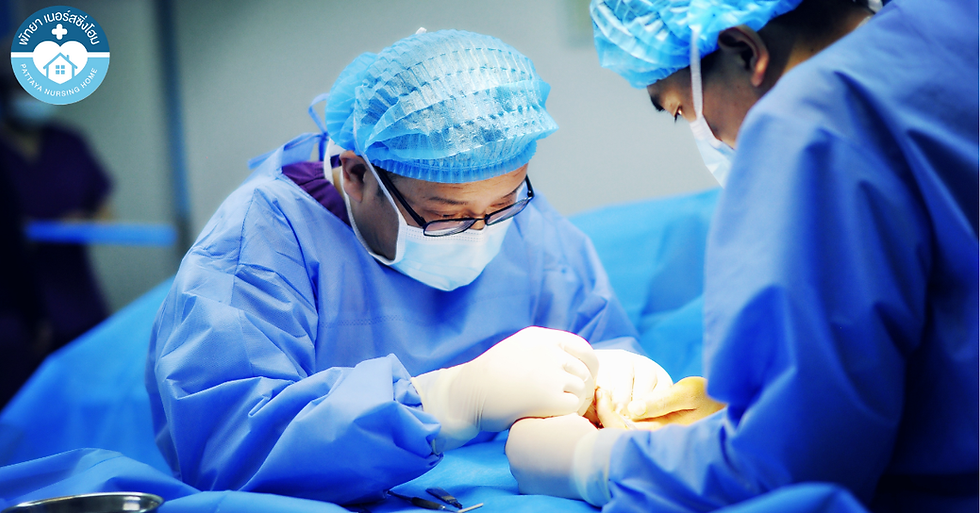
Most older adults with hip fractures require surgery to help them stand, walk, and begin physical rehabilitation as early as possible. Surgical options may include internal fixation using metal devices or total hip replacement. The most appropriate treatment method is determined by the physician on an individual basis, taking into account the patient’s physical condition and the severity of the fracture.
For post-surgical patients, proper care and rehabilitation require close attention from family members or caregivers. If a surgical wound becomes infected, the risk of complications increases and the recovery process may be significantly delayed.

Post-surgical care and rehabilitation at Pattaya Nursing Home provide patients with 24-hour care by a multidisciplinary team of experienced professionals, in a safe and recovery-friendly environment. In addition, individualized physical therapy programs are designed for each patient and supported by modern equipment to ensure a smooth, safe, and highly effective recovery.
After surgery, older adults require close monitoring, including proper wound care, pain management, and infection prevention. Appropriate nutrition—such as foods rich in protein, calcium, and vitamin D—plays an important role in supporting bone healing. It is also essential to monitor for potential complications, including pressure ulcers, blood clots, and pneumonia, which are common in older adults who must remain in bed for extended periods.
Rehabilitation and Physical Therapy After a Hip Fracture

Physical therapy is a crucial step in helping older adults recover and return to a lifestyle as close to normal as possible. Rehabilitation should begin according to medical advice and focus on standing and walking training, muscle strengthening, and balance exercises. Continuous rehabilitation at a specialized rehabilitation center or elderly care facility with a multidisciplinary team can help reduce the risk of recurrent falls and improve long-term quality of life.
Potential Complications in Older Adults
If hip fractures in older adults are not properly treated and rehabilitated, they may lead to complications such as permanent loss of mobility, muscle weakness, depression, and increased dependence on others for daily activities. These conditions can have a significant impact on both the physical and mental well-being of older adults.
Prevention of Hip Fractures in Older Adults

Prevention focuses on reducing the risk of falls by creating a safer home environment, such as using non-slip flooring, installing grab bars in the bathroom, and ensuring adequate lighting. In addition, encouraging older adults to exercise to improve muscle strength and balance is important, along with regular bone health assessments and appropriate nutritional care.
Conclusion: Proper Care for Hip Fractures in Older Adults Helps Restore Quality of Life

Hip fractures in older adults are a serious condition. However, with timely treatment combined with proper rehabilitation and appropriate care, older adults still have a strong chance to regain a good quality of life. Family members and caregivers play a vital role in providing both physical and emotional support to ensure a safe and sustainable recovery.
Pattaya Nursing Home – Pattaya Elderly Care and Rehabilitation Center is pleased to provide consultation and comprehensive care services for older adults and patients with dependent conditions
Why Choose Pattaya Nursing Home?

✅ Comprehensive services with high-quality facilities and excellent value for money
✅ Expert multidisciplinary team providing attentive care 24 hours a day
✅ Peaceful, green, and welcoming environment, offering warmth and comfort like home with family-style care
✅ Purposefully designed facilities for elderly care and patient rehabilitation, following Universal Design principles
✅ Clean, airy, and safe accommodations equipped with complete modern amenities
✅ Convenient location within the community, close to hospitals and tourist attractions, while maintaining privacy and tranquility
✅ International services available, with multilingual communication support
✅ Personalized rehabilitation and physical therapy programs, including post-surgical care
✅ Rehabilitation activities for patients with Alzheimer’s disease, paralysis, and stroke
✅ Long-term accommodation options for those seeking a comfortable retirement lifestyle

Free Consultation or Facility Tour Appointment
📞 088-992-5156 (Jomtien Branch)
📞 061-879-6464 (Chaiyaphruek Branch)